
Plan Your Gorilla Trekking Experience in Rwanda or Uganda
 The Ultimate Guide to Meeting Mountain Gorillas in the Wild
Nothing quite prepares you for the moment when you come face-to-face with a mountain gorilla family in their natural habitat. There are no bars, no fences, and no windows separating you from these magnificent primates. You are simply a humble guest in their forest home.
The first glimpse is unforgettable. A playful juvenile may swing from a nearby branch, an infant clings tightly to its mother’s back, and the mighty silverback watches over the family with calm authority. Gorilla trekking is more than a wildlife activity, it is one of the world’s most extraordinary wildlife encounters and a life-changing experience.
At Kamere Tours, we specialize in creating seamless gorilla trekking adventures in Rwanda and Uganda, helping travelers experience these gentle giants safely and responsibly.
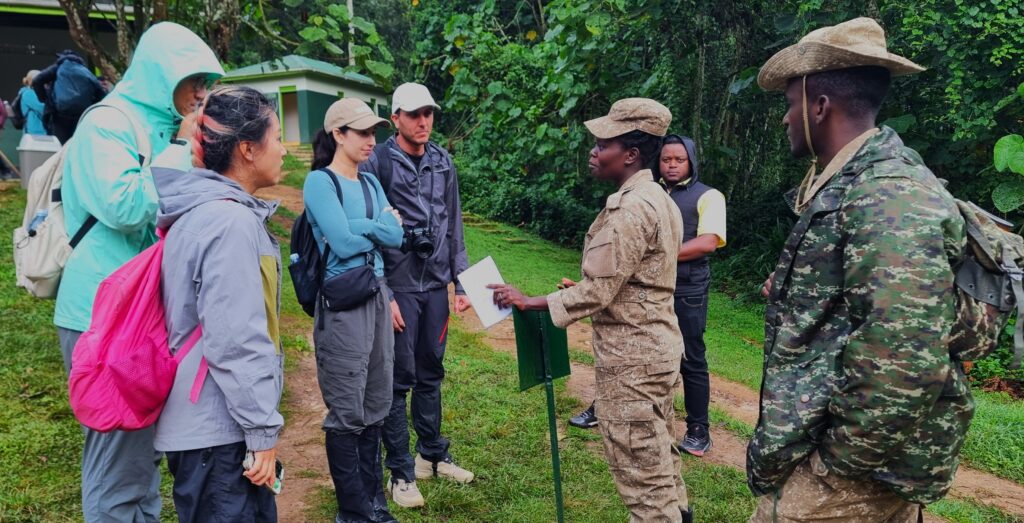 Why Choose Gorilla Trekking?
Mountain gorillas are among the world’s most endangered primates, with only a little over 1,000 individuals remaining in the wild. They can only be found in the dense forests of the Virunga Mountains and the Bwindi ecosystem, making every encounter incredibly special.
Spending an hour with a habituated gorilla family allows visitors to observe their behavior, social interactions, intelligence, and remarkable human-like expressions.
Where to Go Gorilla Trekking
Rwanda – Volcanoes National Park
Volcanoes National Park is Rwanda’s premier gorilla trekking destination. Located just a few hours from Kigali, the park offers excellent infrastructure, luxury lodges, and relatively accessible trekking routes.
Gorilla Permit Cost:
- USD 1,500 per person
Uganda – Bwindi Impenetrable and Mgahinga Gorilla National Parks
Uganda offers exceptional value and diverse trekking experiences in:
Bwindi is home to nearly half of the world’s mountain gorilla population and offers multiple trekking sectors including Buhoma, Ruhija, Rushaga, and Nkuringo.
Gorilla Permit Costs:
- USD 800 per person (standard rate)
- USD 600 per person during selected low-season promotions
When Is the Best Time to Go?
The good news is that gorilla trekking is available throughout the year.
Rainy Seasons
- March to May
- September to November
Many experienced travelers prefer the rainy seasons because gorillas often remain at lower elevations where food is abundant. This can result in shorter hikes and potentially better wildlife photography, especially when the sun emerges after rainfall.
However, trails can become muddy and slippery, so proper waterproof gear is essential.
Dry Seasons
- December to February
- June to August
These are the most popular trekking months. The trails are generally drier and easier to navigate, but gorilla permits and accommodation sell out quickly.
Fortunately, Kamere Tours can secure permits and accommodation well in advance, ensuring a stress-free experience.
How Fit Do You Need to Be?
One of the most common questions travelers ask is whether they need to be extremely fit to trek gorillas.
The answer is no, but a moderate level of fitness is recommended.
Treks can last anywhere from 30 minutes to 8 hours depending on the location of the gorilla family. The terrain often includes:
- Steep slopes
- Dense vegetation
- Uneven forest trails
- Muddy sections
If you can comfortably walk for several hours and manage moderate hills, you are generally fit enough for gorilla trekking.
Visitors who require assistance can hire local porters, who not only help carry bags but also provide support on difficult terrain.
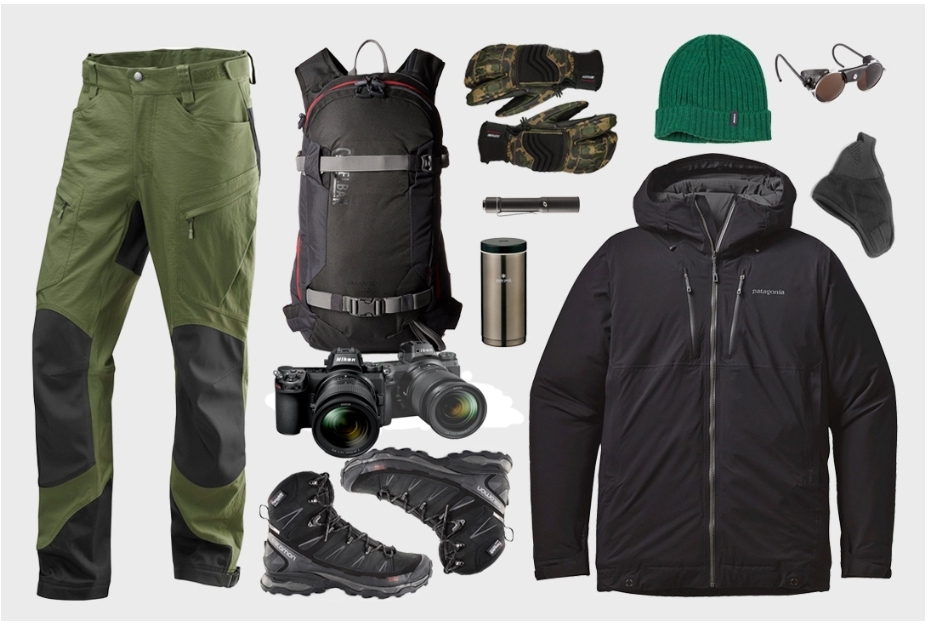
What to Bring for Gorilla Trekking
Packing correctly can significantly improve your trekking experience.
Essential Items
- Waterproof hiking boots
- Long-sleeved shirts
- Long trousers
- Waterproof rain jacket
- Gardening or trekking gloves
- Insect repellent
- Sunscreen
- Reusable water bottle
- Snacks or energy bars
- Camera (without flash)
- Small backpack
- Walking stick (usually provided at the park)
Neutral-colored clothing is recommended to blend into the environment and avoid attracting insects.
Gorilla Trekking Rules
To protect both visitors and gorillas, strict conservation rules are enforced.
Key Rules Include:
- Maintain a distance of at least 7 meters from the gorillas.
- Do not touch the gorillas.
- Avoid direct eye contact with the silverback.
- Keep your voice low while observing the gorillas.
- Do not use flash photography.
- Never litter in the forest.
- If you are sick or have flu-like symptoms, you may not be allowed to trek.
- Follow your ranger guide’s instructions at all times.
- Eating and drinking near the gorillas is prohibited.
- Visitors are allowed only one hour with the gorilla family.
These rules help prevent disease transmission and ensure the long-term survival of mountain gorillas.
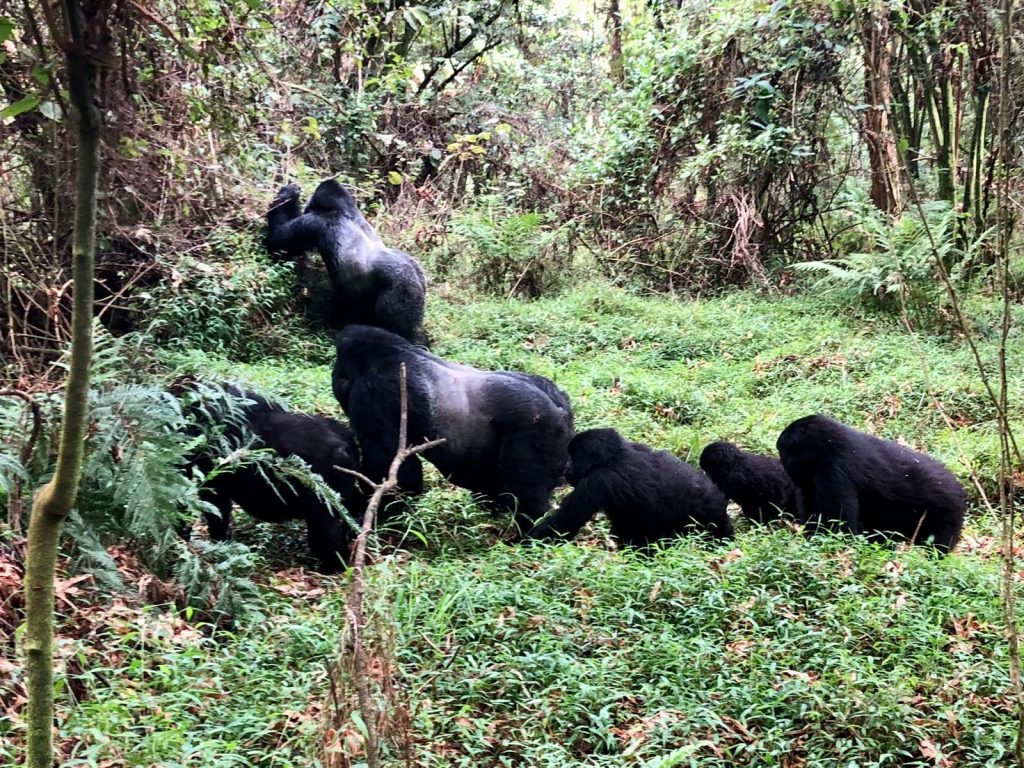 Understanding Mountain Gorillas
Mountain gorillas share approximately 98% of their DNA with humans, making them one of our closest relatives in the animal kingdom.
They live in family groups led by a dominant silverback male who protects and guides the group. A typical gorilla family consists of:
- One or more silverbacks
- Adult females
- Juveniles
- Infants
Despite their immense strength, gorillas are generally peaceful and gentle animals. They spend much of their day feeding, grooming, resting, and caring for their young.
Observing these natural behaviors in the wild creates a powerful connection that leaves a lasting impression on visitors.
Book Your Gorilla Trekking Adventure with Kamere Tours
Whether you choose Rwanda’s Volcanoes National Park or Uganda’s Bwindi and Mgahinga National Parks, gorilla trekking promises memories that will last a lifetime.
From securing permits and accommodation to arranging airport transfers and expert guides, Kamere Tours handles every detail of your journey, allowing you to focus on the adventure.
Come and experience one of Africa’s greatest wildlife encounters. The mountain gorillas are waiting.
Contact Kamere Tours Today
For gorilla permits, customized itineraries, accommodation bookings, and private transfers in Rwanda and Uganda, get in touch with our team and start planning your unforgettable gorilla trekking experience.