
Lake Mburo National Park Uganda: Safari Guide
Home of Zebras In Uganda
Related Destinations


Lake Mburo National Park, Uganda: Safari, Wildlife and Activities
Looking for a Uganda safari that combines wildlife, scenic landscapes and outdoor adventure without requiring a long journey into the countryside? Lake Mburo National Park in western Uganda is an excellent destination for travelers with limited time, families, wildlife enthusiasts and visitors exploring the country by road.
Although it is smaller than many of Uganda’s other savannah parks, Lake Mburo offers memorable wildlife encounters and activities beyond the traditional game drive. You can watch zebras grazing across the grasslands, look for impalas and elands, take a boat cruise on Lake Mburo, explore the wilderness on a guided walking safari or discover the park on a cycling excursion.
Its convenient location between Kampala and western Uganda’s major safari destinations also makes it a practical stop on a longer itinerary.
Where Is Lake Mburo National Park?
Lake Mburo National Park is located in western Uganda, in the Ankole sub-region. It lies along the main road corridor connecting Kampala and Mbarara to destinations such as Bwindi Impenetrable National Park and Queen Elizabeth National Park.
The drive from Kampala generally takes around four to five hours, depending on traffic, road conditions and stops along the way. Travelers arriving at Entebbe International Airport should allow additional time to reach the park.
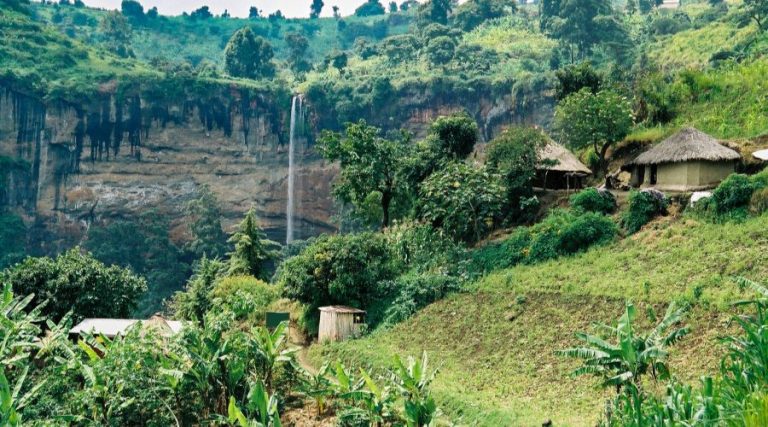
The landscape includes rolling hills, open savannah, acacia woodland, rocky outcrops, wetlands and several lakes. These varied habitats support wildlife and bird species that are not always easy to find elsewhere in Uganda.
Lake Mburo is particularly appealing to visitors who want a rewarding wildlife experience without committing several days to travel deep into the country.
Wildlife in Lake Mburo National Park
Lake Mburo is one of Uganda’s best places to look for Burchell’s zebras and impalas. Herds of zebras often graze in the open grasslands, while impalas move through the savannah and woodland.
Other animals found in the park include:
Eland, one of Africa’s largest antelopes
Topi, waterbuck and bushbuck
African buffalo
Warthogs and bushpigs
Hippopotamuses and Nile crocodiles around the lake
Vervet monkeys and olive baboons
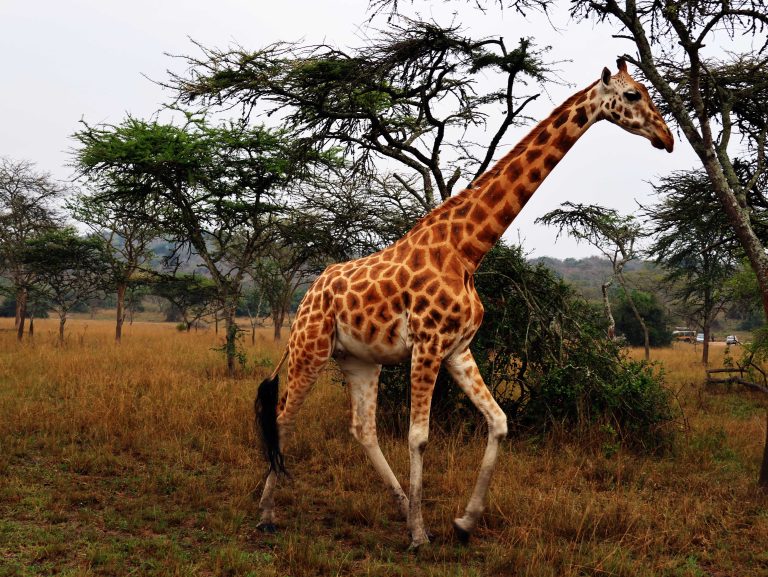
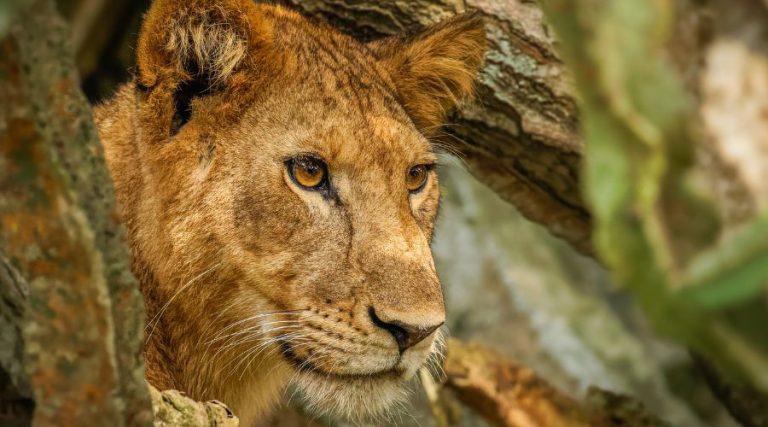
Leopards and spotted hyenas also occur in the park, although sightings are not guaranteed. Elephants are notably absent from Lake Mburo, and lions are not a regular sight for visitors. Travelers should therefore choose this destination for its distinctive antelope populations, zebras, varied activities and peaceful scenery rather than expecting a guaranteed Big Five safari.
A morning or late-afternoon game drive is a rewarding way to explore the park. Your guide can help identify animals, interpret their behavior and find suitable locations for wildlife photography.
Things to Do in Lake Mburo National Park
One of Lake Mburo’s greatest attractions is the variety of ways to experience its wilderness. In addition to vehicle-based game drives, visitors can explore the park on foot, by bicycle or from the water.
1. Enjoy a Game Drive
A guided game drive takes you through the park’s savannah and woodland in search of zebras, impalas, buffaloes, topis and other wildlife.
Early morning and late afternoon are popular times for wildlife viewing, when temperatures are often cooler and animals may be more active. Your guide can adapt the route to the conditions and recent wildlife sightings.
Game drives are suitable for travelers who want to cover more ground and observe animals from the comfort of a safari vehicle.
2. Take a Boat Cruise on Lake Mburo
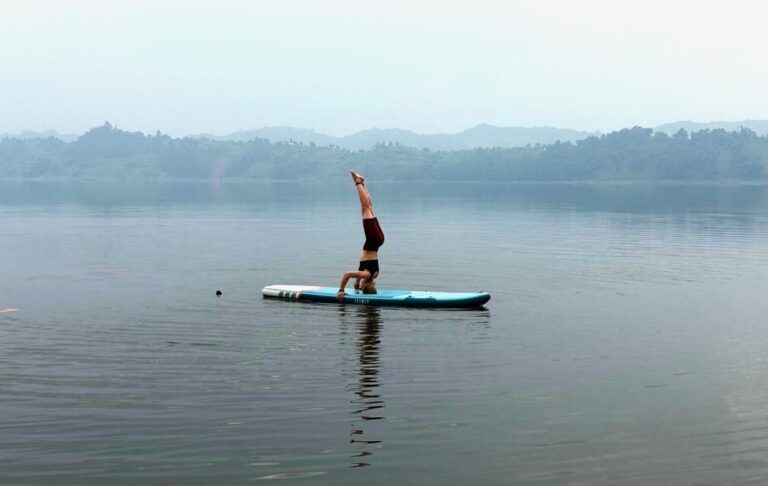
A boat cruise offers a different perspective on the park. From the water, you may see hippos, crocodiles and buffaloes near the shoreline, together with waterbirds resting, fishing or moving through the wetlands.
Birds commonly associated with the lake and its surroundings include African fish eagles, kingfishers, herons and egrets. Birdwatchers can also look for the elusive African finfoot, a sought-after species associated with suitable lakeside habitats.
Bring binoculars and a camera, and follow your boat operator’s safety instructions throughout the trip.
3. Experience a Guided Walking Safari
A walking safari allows you to appreciate the smaller details of the landscape that are easily missed from a vehicle. Accompanied by an authorized park ranger, you can learn about animal tracks, plants, birds and the relationships between wildlife and its habitat.
Depending on the route and conditions, you may encounter zebras, impalas, topis and other animals at a distance suitable for safe observation.
Walking safaris must follow park rules and ranger instructions. Wildlife remains unpredictable, so never approach animals independently or leave your guide.
4. Explore the Park on a Cycling Safari
Lake Mburo is known for offering cycling safaris in designated areas, making it an appealing choice for active travelers seeking an alternative to conventional game drives.
Cycling allows you to experience the savannah at a slower pace, observe the landscape and enjoy the sounds of nature. Wildlife sightings can include zebras and antelopes, but encounters depend on the route and conditions.
Cycling arrangements, bicycle availability, routes and ranger requirements should be confirmed when booking.
5. Go Birdwatching
With more than 315 recorded bird species, Lake Mburo is an important destination for birdwatchers. Its combination of wetlands, papyrus swamps, open grassland and acacia woodland creates habitats for a diverse range of species.
Look out for the African finfoot around suitable lakeside vegetation, as well as papyrus-associated birds and savannah species. A knowledgeable birding guide can help identify calls, distinguish similar species and plan visits to productive habitats.
Even travelers who are not specialist birders can enjoy the variety of birdlife encountered during a game drive or boat trip.
Scenic Landscapes and Photography
Lake Mburo’s appeal extends beyond its wildlife. The park’s rolling hills, open grasslands, woodland and lake views create varied photographic opportunities throughout the day.
Early morning can bring soft light across the savannah, while late afternoon often provides warm conditions for photographing zebras and antelopes. Along the lake, reflections, waterbirds and the surrounding hills offer a different set of subjects.
Visitors should remain inside their vehicle when required and follow their guide’s instructions when taking photographs near wildlife.
For travelers who enjoy nature photography, combining a game drive with a boat cruise and guided walk can provide a broader view of the park’s habitats.
Where to Stay in Lake Mburo National Park
Accommodation options in and around Lake Mburo range from comfortable safari lodges to tented camps and more affordable stays. Your choice will depend on your budget, preferred level of comfort and the activities you want to enjoy.
Mihingo Lodge is one option for travelers seeking a higher-end lodge experience. Rwakobo Rock and Eagle’s Nest are other properties travelers may wish to consider when comparing accommodation.
Check the location of each property, current facilities, meal arrangements, room availability and transfer requirements before booking. Staying close to the park can make it easier to arrange early-morning activities and enjoy the landscape without rushing.
For the best experience, Kamere Tours can help you coordinate accommodation, transport, park activities and onward travel as part of a private Uganda safari.
Best Time to Visit Lake Mburo National Park
Lake Mburo can be visited throughout the year. Drier periods can make some tracks easier to navigate and may improve access to certain wildlife-viewing areas. During wetter periods, the landscape can become greener and more attractive for photography, although rain may affect road conditions and activity schedules.
Weather patterns vary, so there is no guarantee that every activity or route will be equally accessible on a particular day. If you plan to cycle, walk or focus on birdwatching, discuss your preferred activities with your tour operator before traveling.
Regardless of the season, comfortable clothing, sun protection, insect repellent, binoculars and a camera can improve your experience.
How to Include Lake Mburo in Your Uganda Safari
Lake Mburo works well as a short safari destination or as part of a longer journey through western Uganda.
From Kampala or Entebbe: Visit Lake Mburo for a short wildlife break before returning to the capital or continuing your journey.
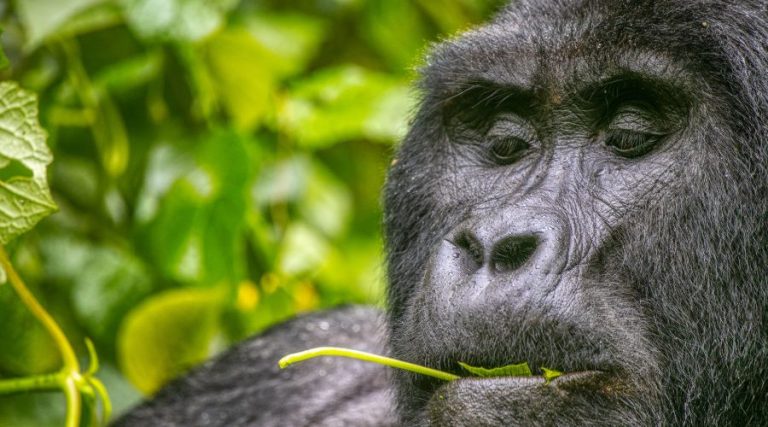
Combined with Bwindi Impenetrable National Park: Add Lake Mburo before or after a gorilla trekking experience in Bwindi. This creates a varied itinerary combining savannah wildlife with a rainforest encounter.
Combined with Queen Elizabeth National Park: Explore Lake Mburo’s zebras and impalas before continuing to Queen Elizabeth for additional savannah wildlife and other activities.
Combined with Lake Bunyonyi or Kisoro: Extend your journey into southwestern Uganda to experience scenic lakes, local culture and access to the Mgahinga and Bwindi gorilla trekking regions.
Travel times depend on your route, road conditions and planned stops. A private safari vehicle with an experienced driver-guide makes it easier to coordinate activities and travel at a comfortable pace.
Plan Your Lake Mburo Safari with Kamere Tours
Lake Mburo National Park is a rewarding choice for travelers who want to experience Uganda’s wildlife, wetlands and savannah landscapes without an extended journey into the country. From zebra sightings and boat cruises to guided walking and cycling safaris, the park offers a distinctive alternative to a traditional vehicle-only safari.
Kamere Tours and Travel can help you plan a Lake Mburo safari that fits your schedule, interests and budget. Whether you want a short wildlife excursion or a longer itinerary combining Lake Mburo with Bwindi, Lake Bunyonyi or other Ugandan destinations, we can help coordinate the journey.
Visit www.kameretours.com or contact us on WhatsApp to discuss your Uganda safari.