
 Uganda’s Equator and Queen Elizabeth National Park: A Journey Across Hemispheres and Into the Wild
Uganda, often referred to as the Pearl of Africa, offers travelers an extraordinary mix of natural beauty, biodiversity, and cultural richness. Among its most iconic attractions are the Uganda Equator and Queen Elizabeth National Park. These two destinations showcase the country’s uniqueness, from standing at the center of the Earth to exploring one of Africa’s most diverse wildlife reserves.
 The Uganda Equator: Standing at the Center of the Earth
The Uganda Equator is one of the most visited landmarks in the country. Located along the Kampala–Masaka highway, it marks the point where the Earth is divided into the Northern and Southern Hemispheres. For many travelers, it’s a symbolic and exciting place to visit.
Visitors can literally stand with one foot in each hemisphere, a simple yet powerful experience. The site is marked by large circular monuments and signage, making it easy to identify and photograph. It’s not just a stopover; it’s a global landmark that sparks curiosity about geography and the planet we live on.
Equator Experiments: Science Made Fun
One of the highlights of visiting the Equator is the famous water experiment. Guides demonstrate how water drains differently in the Northern and Southern Hemispheres due to the Coriolis effect.
This blend of science and entertainment makes the Equator particularly popular with students and families. It transforms an abstract geographical concept into something tangible and memorable.
Local Crafts and Cultural Souvenirs
Beyond the science, the Equator site is a lively cultural hub. Local vendors sell handmade crafts such as beadwork, textiles, paintings, and wood carvings. These items reflect Uganda’s rich heritage and provide meaningful souvenirs for visitors.
Supporting these artisans also contributes to the local economy. Many travelers enjoy browsing the stalls, interacting with sellers, and learning about the stories behind the crafts.
 Queen Elizabeth National Park: Uganda’s Wildlife Jewel
Located in western Uganda, Queen Elizabeth National Park is one of the country’s most famous conservation areas. Spanning nearly 2,000 square kilometers, the park features a stunning mix of ecosystems, savannah, wetlands, forests, and lakes.
This diversity supports an incredible range of wildlife. The park is home to elephants, lions, leopards, buffaloes, hippos, and over 600 bird species. It’s a dream destination for wildlife enthusiasts, photographers, and nature lovers.
The Tree-Climbing Lions of Ishasha
One of the park’s most unique attractions is found in the Ishasha sector, tree-climbing lions. Unlike typical lions that rest on the ground, these lions are often seen lounging in fig trees.
This rare behavior is believed to help them escape heat and insects. Spotting these lions perched on branches is a once-in-a-lifetime experience and a highlight for many visitors.
 Kazinga Channel: A Front-Row Seat to Wildlife
The Kazinga Channel is a major highlight of the park. This natural waterway connects Lake George and Lake Edward and attracts a high concentration of animals.
Boat cruises along the channel offer close-up views of hippos, crocodiles, and elephants. The shores are also rich in birdlife, making it one of the best birdwatching spots in Africa. The experience is scenic and incredibly immersive.
 Game Drives: Exploring the Savannah
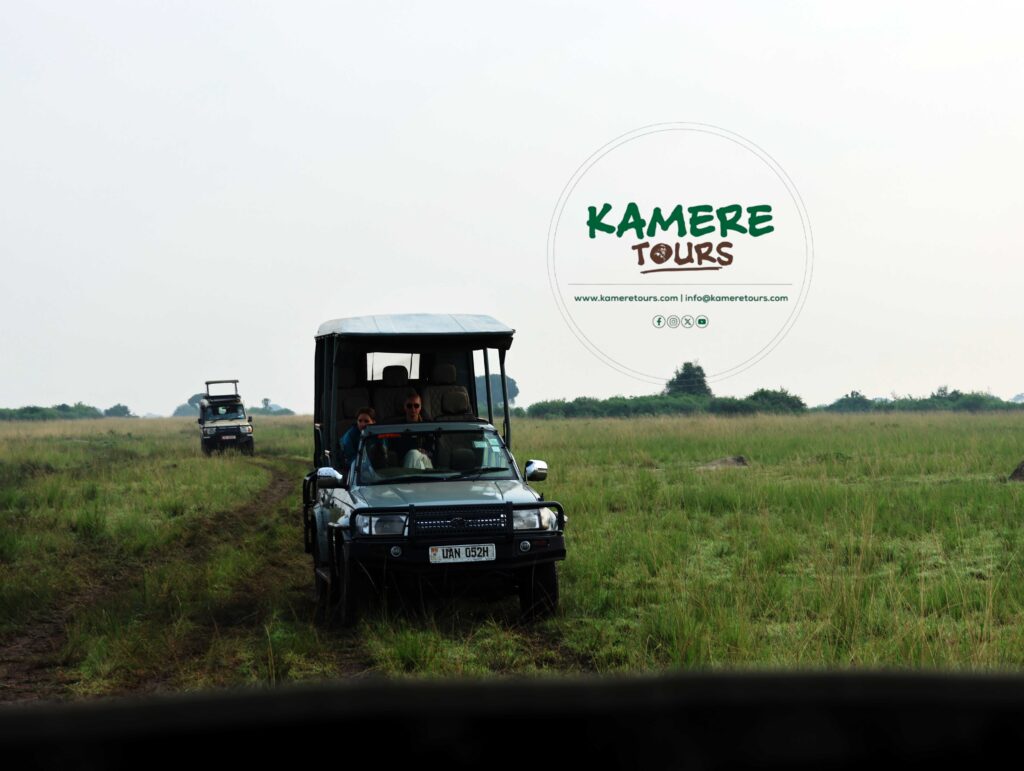
Game drives are one of the best ways to experience Queen Elizabeth National Park. Morning and evening game drives offer the best opportunity to see animals when they are most active.
Visitors can explore vast open plains, spot predators on the hunt, and witness herds of animals grazing. Guided drives enhance the experience by providing expert knowledge about wildlife behavior and conservation.
Cultural Encounters: Beyond Wildlife
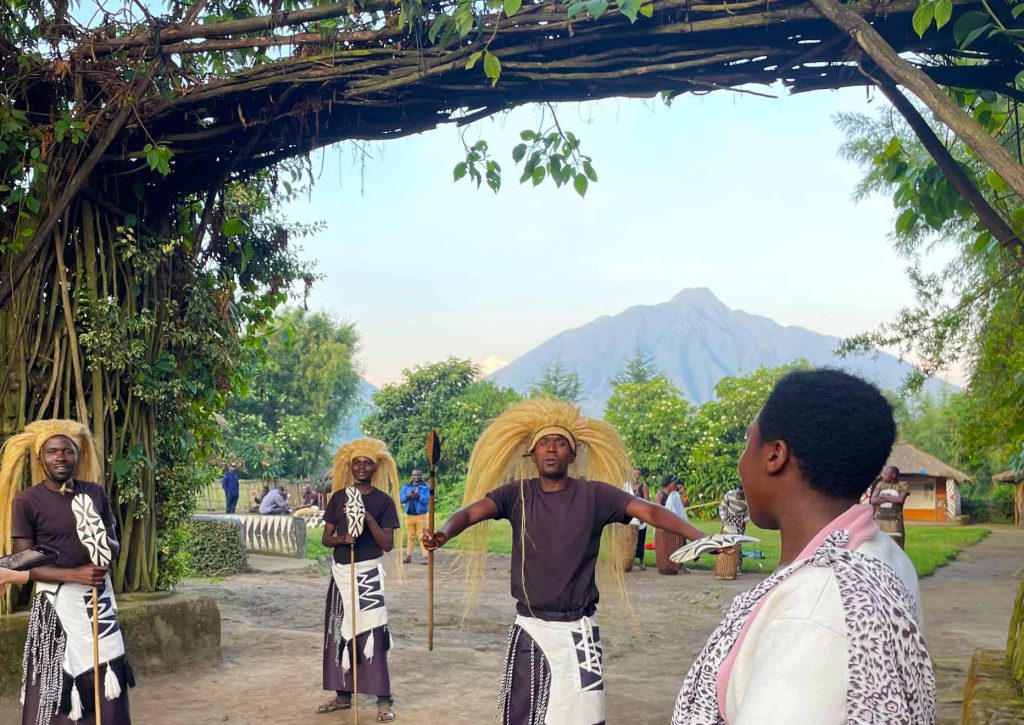
A visit to these destinations is not complete without engaging with local communities. Around Queen Elizabeth National Park, cultural tours offer insights into traditional Ugandan life.
Visitors can enjoy traditional dances, storytelling, and craft-making experiences. These interactions create a deeper connection to the region and support sustainable tourism initiatives.
Conservation and Sustainable Tourism
Both the Uganda Equator and Queen Elizabeth National Park highlight the importance of conservation. The park, in particular, plays a crucial role in protecting endangered species and ecosystems.
Tourism revenue helps fund conservation efforts and supports local communities. Responsible travel, such as respecting wildlife and supporting local businesses, ensures these destinations remain preserved for future generations.
Why These Destinations Should Be on Your Travel List
The Uganda Equator and Queen Elizabeth National Park offer two completely different yet complementary experiences. One connects you to the geography of the planet, while the other immerses you in the beauty of nature.
Together, they capture the essence of Uganda: diverse, vibrant, and unforgettable. Whether you’re a curious traveler, a wildlife enthusiast, or a cultural explorer, these destinations promise memories that will last a lifetime.
A Journey Worth Taking
Traveling through Uganda is more than just sightseeing; it’s an experience of discovery. From standing at the Equator to watching elephants roam freely in Queen Elizabeth National Park, every moment feels meaningful.
If you’re planning your next adventure, Uganda offers something truly special. It’s a place where geography meets wildlife, and where every journey tells a story.
Request for a Quote
Start planning your adventure trip today with a professional expert available to help you 24/7. Encounter Africa on your own terms.
Inquire Now +256 776 360824

Visa Entry
Uganda offers online visa applications, but many travelers find it easier to pay (US$100) and obtain a visa upon arrival at points like Entebbe International Airport. For travel into Rwanda and Kenya, it's recommended to apply for an East African Visa.
Read More About Visas