
What Should I Pack for Gorilla Trekking?
Gorilla trekking in Uganda or Rwanda is one of the most extraordinary wildlife experiences in the world. Standing face-to-face with a giant silverback or watching a playful infant cling to its mother is unforgettable, but the trek to reach these gentle giants takes you deep into dense forests, over uneven terrain, and sometimes through muddy slopes.
That’s why packing the right gear is essential. At Kamere Tours and Travel, we help hundreds of travelers prepare for their gorilla trekking adventures, and we know exactly what you’ll need for a comfortable and successful trek.
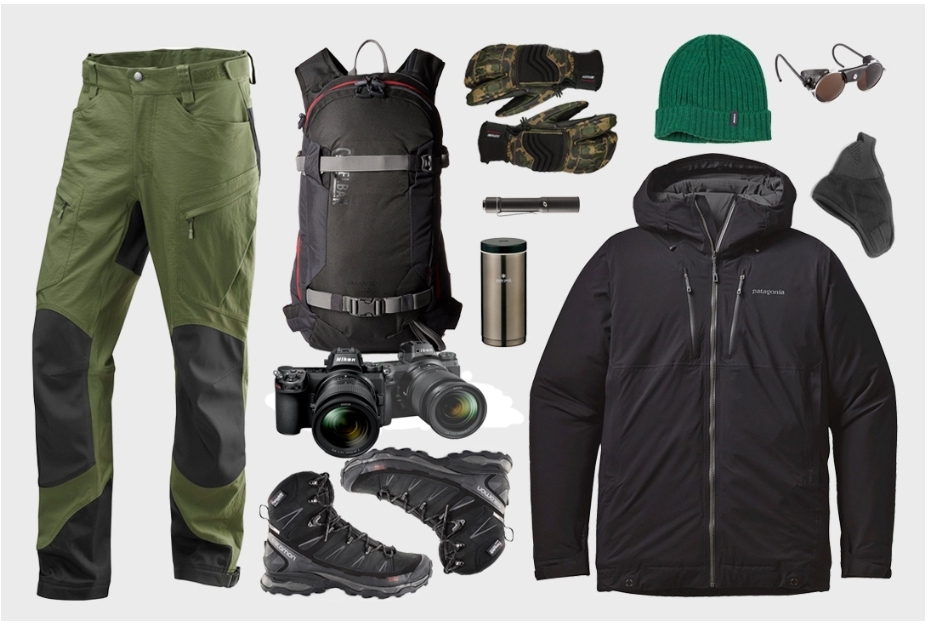
1. Sturdy Hiking Boots
Your number-one essential item. Gorilla trekking involves walking through slippery forest floors, climbing hills, and stepping over roots or rocks.
Choose boots that are:
Waterproof
Comfortable for long distances
With good ankle support
Already broken in (don’t wear them for the first time on trek day!)
Good footwear will make your trek easier and prevent injuries.
2. Long-Sleeved Shirts and Long Pants
The forests of Bwindi, Mgahinga, and Volcanoes National Park are thick with vegetation. To avoid scratches, insect bites, or stinging nettles, wear:
Lightweight, breathable long-sleeved shirts
Long hiking pants
Clothes in neutral colors (green, brown, khaki)
Avoid bright colors and camouflage (military-style) clothing, as it’s restricted in some countries.
3. A Waterproof Rain Jacket
These mountain forests are known for unpredictable rain, sunshine one minute, a downpour the next.
A lightweight waterproof jacket will:
Keep you dry
Protect your camera or phone
Keep you warm in colder forest areas
Even during the dry season, always pack it.
4. Gardening or Trekking Gloves
Yes, this is one of the most underrated items!
You will often grab onto trees, vines, or branches for support, and gloves protect your hands from:
Thorns
Stinging nettles
Blisters
Dirt and mud
Simple gardening gloves work perfectly.
5. A Small Waterproof Daypack
A compact daypack is essential for carrying:
Water
Snacks
Camera
Jacket
Sunscreen
Bug spray
Choose one that is waterproof or has a rain cover, as the weather can change quickly.
6. Refillable Water Bottle
Trekking can take anywhere between 1 and 6 hours, depending on where the gorillas are that day. Staying hydrated is important.
Carry at least 1–2 liters of water.
At Kamere Tours and Travel, we can provide water bottles in your safari vehicle, and you can refill before the trek begins.
7. Snacks or Energy Bars
The trek may be long, so bring snacks like:
Energy bars
Nuts
Chocolate
Dried fruit
You’ll appreciate a quick boost during the hike.
8. Insect Repellent
The forest environment attracts insects, especially mosquitoes. Apply repellent to your:
Legs
Arms
Hands
Neck
Socks and pants
This helps keep insects away during the trek.
9. Sunglasses & Sunscreen
Though the forest is shaded, parts of the trail may be open or sunny. Sunscreen and sunglasses will protect you on the walk to and from the forest edges.
10. A Camera (No Flash Allowed)
Gorilla trekking is a once-in-a-lifetime experience, and you’ll want great photos or videos.
Remember:
Flash is strictly prohibited
Bring extra batteries
Consider a lens cloth, forest humidity can fog lenses
If you prefer to film on your phone, pack a small power bank.
11. Gaiters or Long Socks
These protect your legs and feet from:
Mud
Ants
Scratches
Moisture
You can also tuck your pants into your socks to keep insects out.
12. Optional but Useful: A Walking Stick
Walking sticks are often provided at the trekking starting point, or you can rent a stronger one. They help with:
Balancing on steep terrain
Navigating slippery paths
Reducing strain on knees
Many trekkers find them extremely helpful.
13. Personal Medication
Bring any personal medication, including:
Pain relievers
Anti-histamines
Prescription medicine
Band-aids
Hand sanitizer
A small personal first-aid kit is always a good idea.
14. Cash for Porters
Hiring a porter is highly recommended. For a small fee, a porter can carry your backpack, assist you during steep climbs, and provide much-needed support.
Not only do porters make the trek easier, but you also support local families and communities living around the parks.
Bonus Tip: Pack Light
You don’t need to carry everything with you, just the essentials.
Many items can be left in your safari vehicle, and your guide will help you decide what to bring.
Everything You Need to Know
Being well-prepared is the key to a successful gorilla trekking adventure. With the right clothing, gear, and attitude, your trek will be more comfortable and enjoyable, allowing you to fully focus on the magical moment when you meet the mountain gorillas.
At Kamere Tours and Travel, we assist you at every step. From packing advice and detailed briefings to arranging porters and providing comfortable safari vehicles with Wi-Fi, we ensure your trek is smooth and memorable.
Ready for the adventure of a lifetime?
Book your gorilla trekking safari with Kamere Tours and Travel today and experience the wild beauty of East Africa up close
Request for a Quote
Start planning your adventure trip today with a professional expert available to help you 24/7. Encounter Africa on your own terms.
Inquire Now +256 776 360824

Visa Entry
Uganda offers online visa applications, but many travelers find it easier to pay (US$100) and obtain a visa upon arrival at points like Entebbe International Airport. For travel into Rwanda and Kenya, it's recommended to apply for an East African Visa.
Read More About Visas