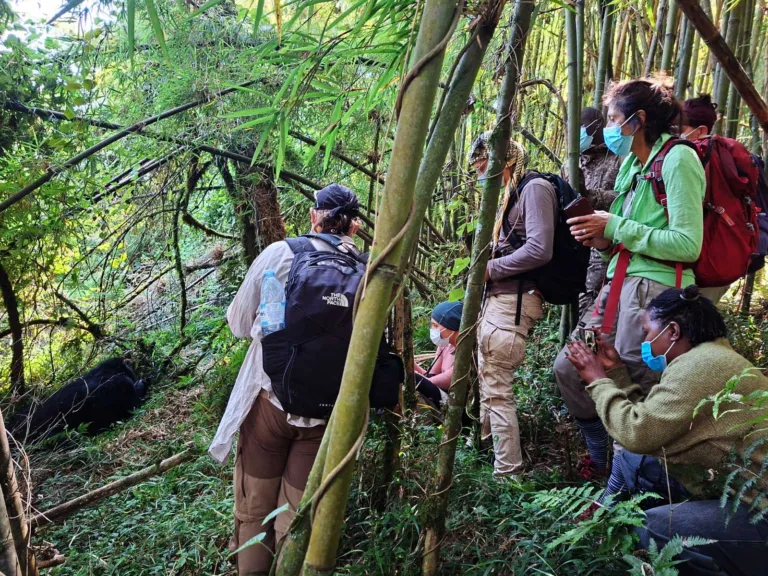
Are credit cards widely accepted In Rwanda and Uganda?
 Are Credit Cards Widely Accepted in Rwanda and Uganda?
Travelers planning trips to Rwanda and Uganda often wonder whether they can rely on credit cards for everyday purchases, accommodation bills, park fees, and other travel expenses. The short answer is: credit cards are accepted in both countries, but with important limitations. Cash, especially local currency and sometimes U.S. dollars, remains very important. Here’s an in-depth look at what you should know.
Credit Card Acceptance in Rwanda
Rwanda has made great strides in modernizing its economy, particularly in urban and tourist-oriented settings. Cities like Kigali have many establishments that accept credit cards, especially international brands like Visa and MasterCard. Major hotels, upscale restaurants, supermarkets, and larger shopping centers generally accept cards without issue. Many international visitors also find ATMs relatively reliable in Kigali and other big towns.
However, card acceptance in Rwanda is still limited compared to many Western countries:
-
Major acceptance is urban-centric: Credit and debit cards are most likely to be accepted in Kigali and other larger towns. In these areas, you’ll find that Visa and Mastercard are widely compatible with point-of-sale terminals.
-
Rural areas and small businesses often don’t take cards: Outside of cities, in villages, local markets, and many smaller hotels or roadside eateries, cash remains the dominant form of payment. Card machines might be nonexistent, unreliable due to network issues, or simply too costly for a small business to maintain.
-
Surcharges and fees: Even in places that do accept credit cards, businesses sometimes charge an extra 3–5% surcharge on card transactions as a fee for processing international cards.
-
American Express and some other card brands are less common: While AmEx and UnionPay might be accepted at some upscale locations, Visa and Mastercard are far more widely accepted. AmEx is often not supported, and other networks like Discover or Diners Club may work even less frequently.
ATMs are widely available, especially in Kigali and other cities like Musanze and Butare. Most ATMs accept international Visa and MasterCard cards, making it easy to withdraw local currency (Rwandan Francs). However, daily withdrawal limits and occasional out-of-service machine planning are essential.
Credit Card Acceptance in Uganda
Uganda’s situation is similar in many ways to Rwanda, but with a slightly stronger emphasis on cash and mobile payments:
-
Urban areas and major tourism spots: In Kampala and Entebbe, the main urban centers, most large hotels, restaurants, Kamere tours and Travel, and supermarkets accept Visa and MasterCard credit cards. ATMs are common in these cities, and they typically support Visa and Mastercard debit/credit card withdrawals.
-
Uganda Wildlife Authority (UWA) and park fees: Many national parks now support credit card payments at gatehouses or through online portals, particularly for popular destinations like Bwindi Impenetrable National Park or Murchison Falls. Visa and Mastercard are widely supported. For some smaller or remote parks with unreliable connectivity, it is advisable to pay permits in advance or through your tour operator to avoid needing cash at the gate.
-
Limitations outside big towns: Smaller towns, local markets, bus stations, roadside vendors, and many smaller hotels often do not take cards. In fact, travelers frequently report needing cash for daily transport, tips, markets, and local food stalls.
-
Surcharges and bank fees: As in Rwanda, some Ugandan merchants that accept cards may add a surcharge of around 5–10% to cover processing costs, especially for international cards.
-
MasterCard vs Visa: While both are accepted, Visa cards tend to work more reliably in Uganda. Some banks and payment processors may have limited support for certain Mastercard products, so it’s wise to carry a Visa card if possible.
Overall, although card acceptance is available, it is far from universal, and cash still plays a central role in everyday commerce outside of major commercial and tourist hubs.
Cash and Alternative Payment Methods
In both countries, cash remains king, especially outside urban centers. Here’s what you should plan for:
-
Local currencies: Bring or withdraw Rwandan Francs (RWF) for Rwanda and Ugandan Shillings (UGX) for Uganda for most small purchases, transportation, tips, and market shopping.
-
US Dollars: In Uganda (and to a lesser extent in Rwanda), US dollars, especially higher denominations in good condition, are widely exchangeable and often used for larger tourism expenses or tips.
-
Mobile Money: Mobile payment systems like MTN Mobile Money and Airtel Money are hugely popular in both countries for peer-to-peer payments, bills, and even some business transactions. These platforms are often more convenient than cards in local settings.
Practical Travel Tips
Here are some useful travel tips if you’re planning to use credit cards:
-
Notify your bank: Let your card issuer know you’re traveling to avoid fraud blocks.
-
Carry a backup card: Keep one Visa and one Mastercard if possible, since acceptance can vary by location.
-
Have cash on hand: Always arrive with some local currency or USD for immediate needs like taxis, small purchases, or tips.
-
Surcharges and hidden fees: Ask about surcharges before you pay with a card.
-
ATMs first thing: Withdraw cash upon arrival at the airport or city center before venturing into rural areas.
Credit cards are accepted in both Rwanda and Uganda, but acceptance is largely concentrated in urban and tourist-focused places. In smaller towns and rural areas, cash or mobile money often remains the only practical way to pay. Cards are convenient for hotels, safari lodges, national park fees (often handled online or at established offices), and shopping in larger businesses, but a flexible mix of cash, cards, and mobile payments is the most dependable approach for travelers.